Rebuilding a design org around AI
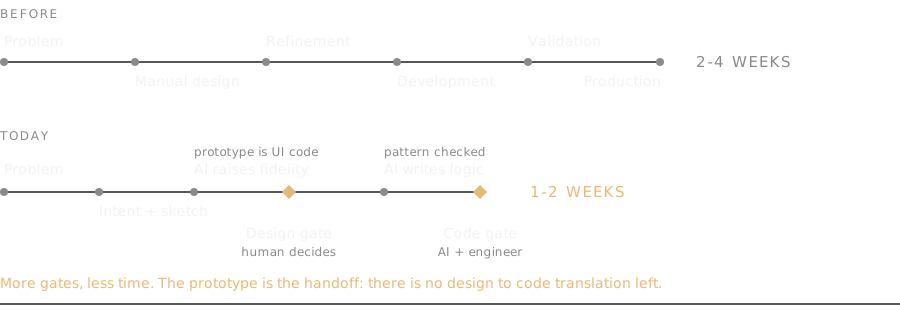
New-feature delivery went from 2-4 weeks to 1-2, with the same human design and code gates. Screens from days to hours. 9 of 9 designers adopted the model in 2025, including its strongest initial skeptics.
- Role
- Design Manager, senior design leadership of the company
- Team
- 9 product designers across 3 squads in 2025; 3 designers today
- Period
- July 2025 to present
- Context
- meutudo, a Brazilian credit fintech serving millions of customers: INSS and private payroll loans, FGTS anniversary withdrawal, and insurance
- What I personally did
- the diagnosis and the operating model; the pitch that convinced leadership; the platform that makes the model possible, which has its own case on this site; and the change management, one conversation at a time.
The thesis
Code is just another prototyping tool, the way Figma is and paper once was. And drawing screens was never the job. The designer designs the experience and owns the patterns, defining them, evolving them, and knowing when and how to break them. AI is excellent at creating what already exists. So I taught it our standard, and freed the team for the part that does not exist yet.
The situation
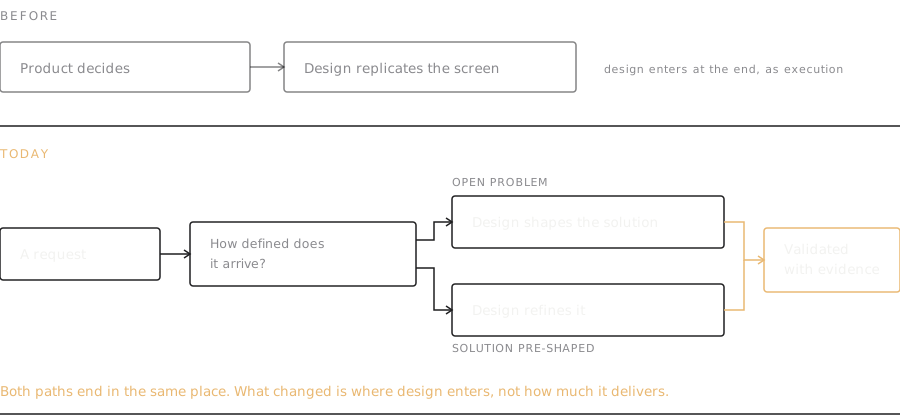
Nine designers stretched across too many squads, with operational work eating the hours real design needed. A new feature took 2 to 4 weeks from concept to deploy. The queue kept growing, and the obvious answer, hiring more people, would not change how the work happened. In a regulated market, speed without quality is a liability, not a win.
Convincing
The diagnosis I took to leadership fit in one sentence. What slows the team is not talent or effort, it is the operating model. I pitched the answer as an eleven-slide plan, with minimum governance, success metrics defined upfront and ninety days to roll out. The initiative was mine, from diagnosis to plan, and it was approved.
- Journey
- Each designer owns a journeyrather than handling tickets
- Mission
- One mission with a clear indicatoralongside a controlled backlog
- AI
- Does the first passalways supervised by whoever owns the journey
- Bar
- Success metrics defined upfrontminimum governance, ninety days to roll out
Building
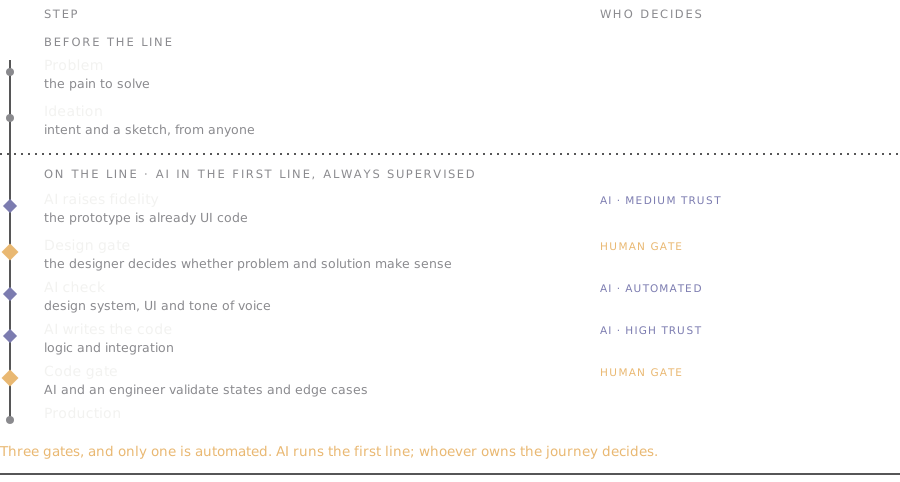
For AI to execute inside our standard, the standard had to become something a machine reads. I built that part myself, with contracts, guardrails and automated review. But the tools are only the means. This case is about the mindset they made possible, where anyone can materialize an idea on-pattern, drift is caught by tooling instead of by memory, and the design and code gates stayed human.
The platform has its own case: the design system machines can read →
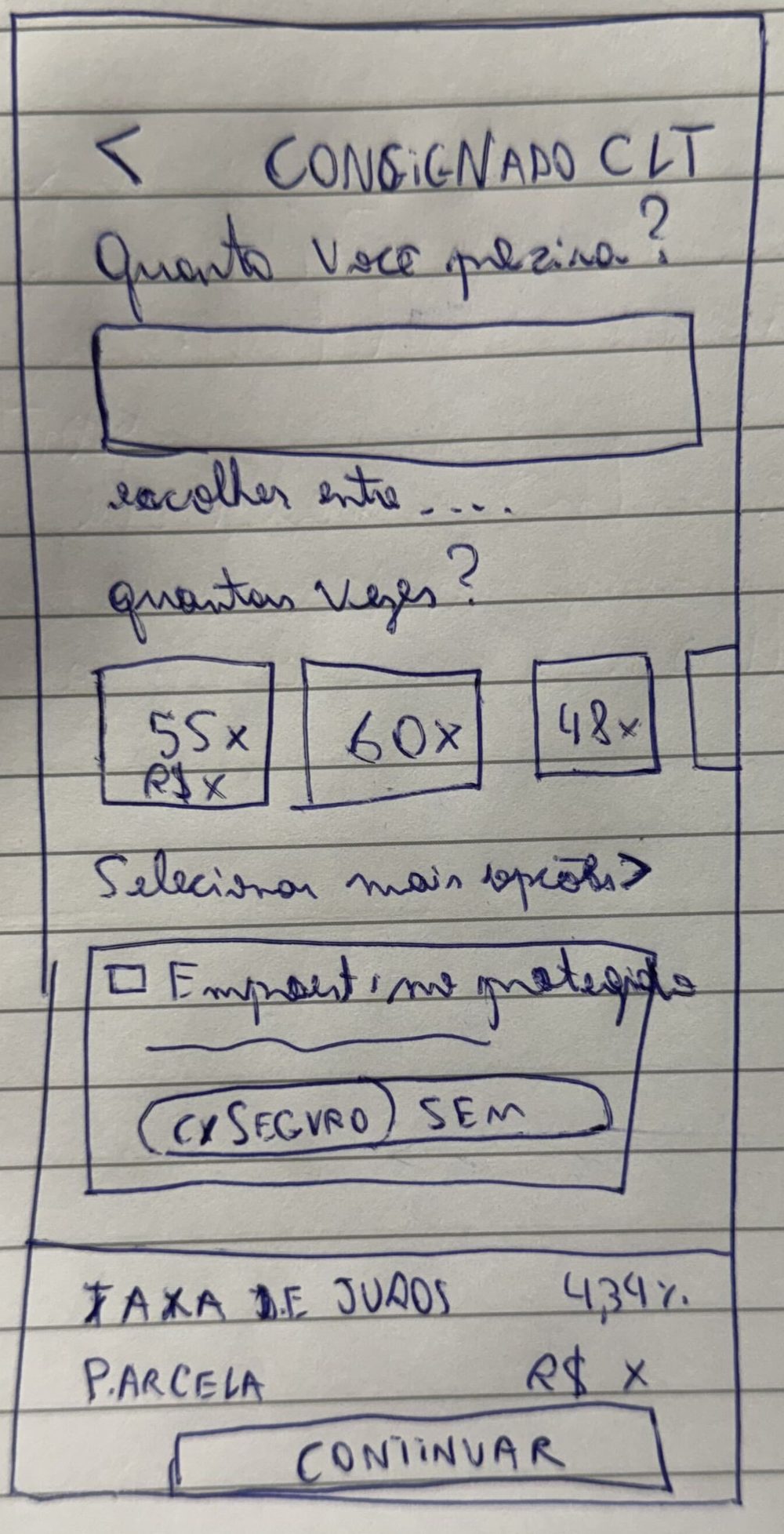
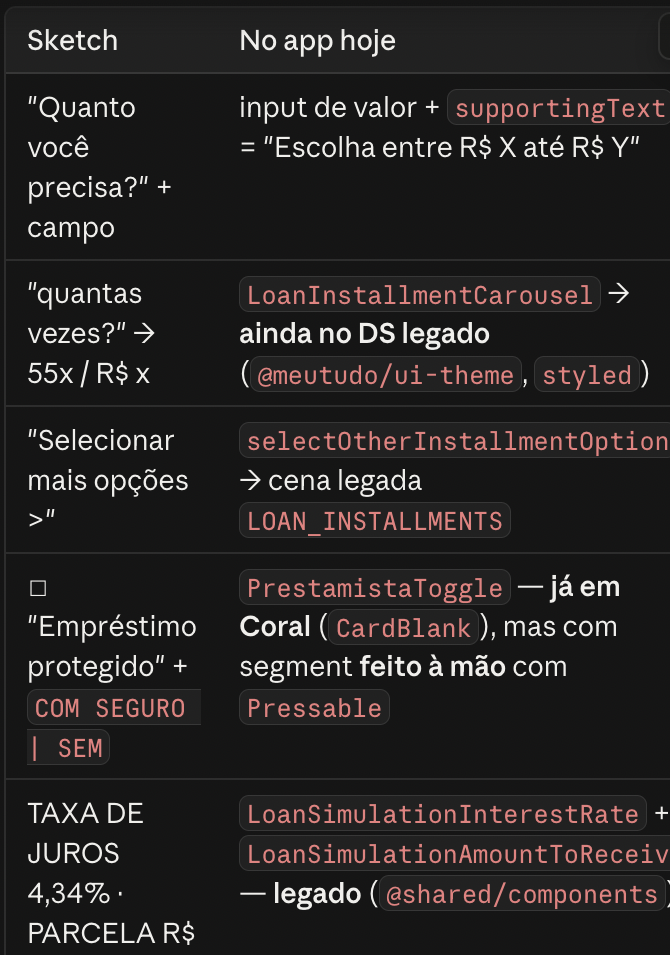

It opened the same door from both sides. People who had never drawn a screen, and would not touch Figma out of fear, got a safe path to materialize ideas on-pattern. Designers, who master Figma but would not leave it on their own, got bridges into code starting from their own comfort zone.
Adoption
The hardest resistance came from inside. Three fears, in their words, and what I answered.
Am I supposed to become a programmer?
No. Technology has always been part of digital design. Code is a prototyping tool, not a career change.
You are looking at technology, not at design.
I am looking at the designer's time. If AI creates well what already exists, that time moves up: from drawing screens to deciding what should exist.
We are handing our design to other people.
We hand over the execution, not the design. Aesthetics run inside a system we designed, govern, and are the only ones who know when to break.
Arguments alone convince nobody. The team changed its mind when the first deliveries took days instead of weeks, using tools it already knew. Today the designer who had said "these things do not mix" is among the people who deliver the most.
| Results | Before (Jul 2025) | Today |
|---|---|---|
| New feature, concept to deploy | 2-4 weeks | 1-2 weeks max |
| New screen | 3-5 days | under 1 day |
| Prototype | disposable artifact | becomes production code |
| Handoff | images, PDFs and Figma | usable code |
| Design team | 9 designers | 3 designers |
| AI adoption on the team | none | 9 of 9 designers in 2025, all committing to production |
Limits and learning
In 2026 the company reduced the design team from nine to three as part of its AI strategy. That was the company's decision; shrinking the team was never the model's goal. My part was to redistribute the journeys and take the team out of screen execution, so three people could design experiences and patterns for the whole company. Delivery stayed faster than in 2025, with the same human reviews.
Part of what this pipeline solved in 2025 now ships inside Figma. What did not come out of the box was the operating model and the gates, and that is what this case documents.
The model has deliberate borders. User research stayed human, AI is always supervised, and critical decisions belong to people. The lesson I carry forward is that fear only gave way after visible proof, when the first delivery landed in days. If I did it again, I would plan that first delivery for week one, before any slide.